
The Vagus Reset: 30 Seconds to Slow Down
You don’t always have time for a long relaxation routine.
Sometimes, you simply need thirty seconds.
Thirty seconds before starting your day.
Thirty seconds before going to bed.
Or thirty seconds after receiving a message that made you angry.

The principle behind the “Vagus Reset” is deliberately simple: slow your breathing, release tension, and briefly bring your attention to the sensations in your body.
This is not a medical technique.
It is simply a small ritual for returning to a calmer state.
The goal is not to force your body to relax. It is to give it an opportunity to slow down.

Step 1: Relax Your Face
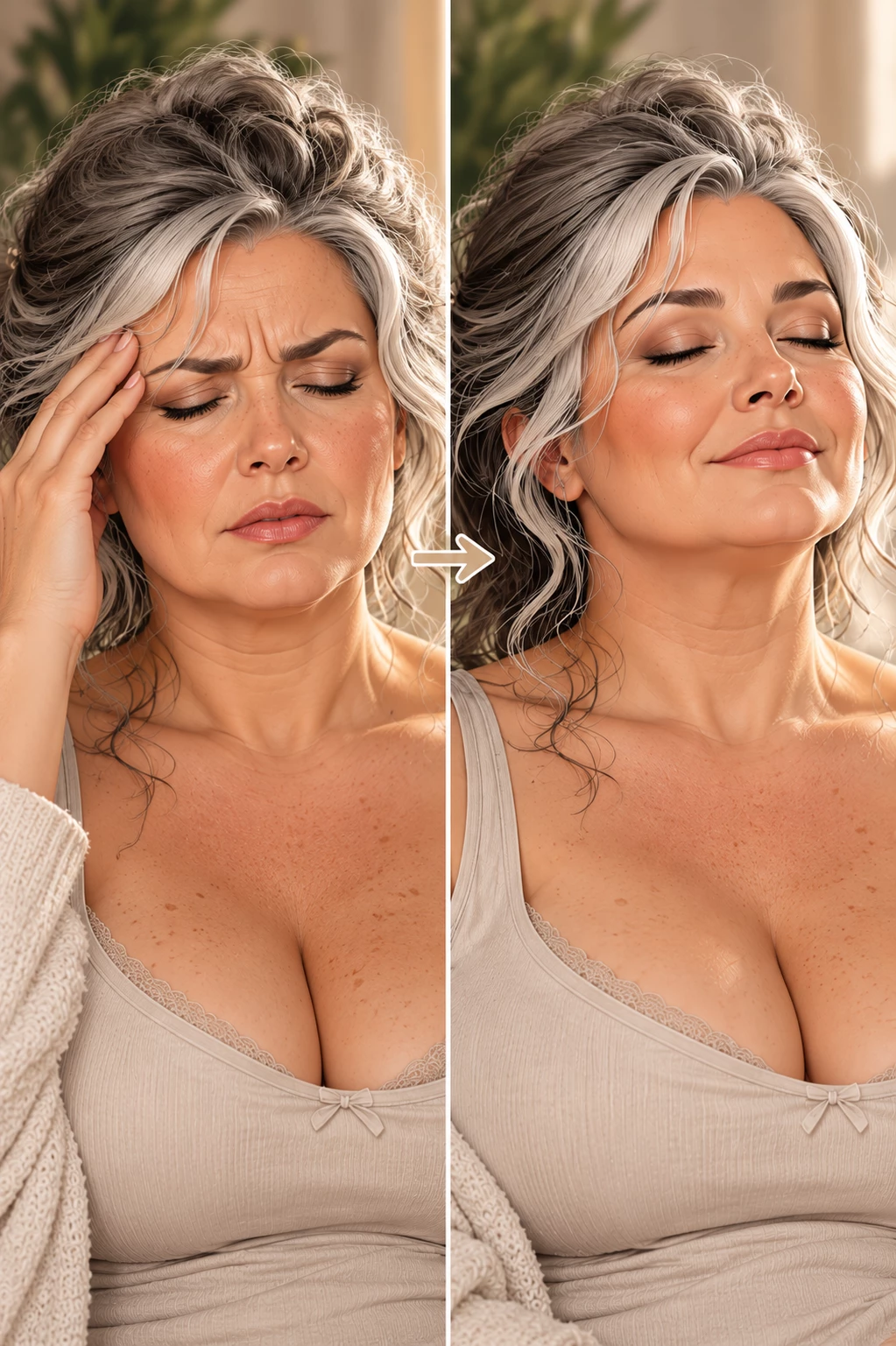
Start with something almost ridiculously simple.
Unclench your jaw.
Let your shoulders drop slightly.
Smooth out your forehead.
And above all, stop unconsciously holding your breath.
Simply become aware of your face.
Are your teeth clenched?
Are your eyebrows furrowed?
Is your tongue tense?
You may be surprised to realize just how much tension we carry in our faces without even noticing it.
Step 2: Breathe More Slowly
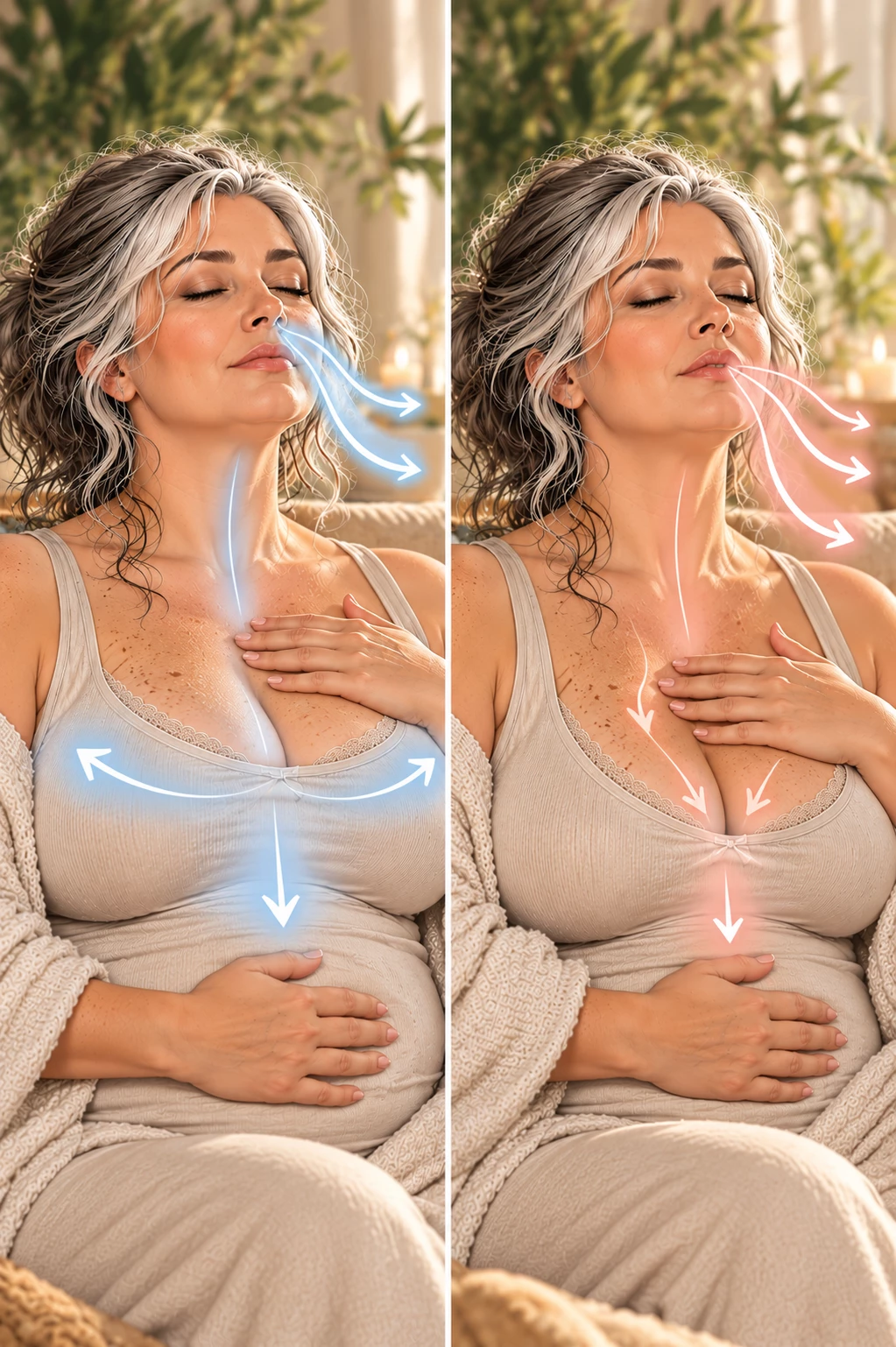
This is where the “reset” really begins.
Breathe in gently through your nose.
Then exhale slowly.
You can try a simple rhythm of four seconds for the inhalation and six to eight seconds for the exhalation, as long as it remains comfortable.
The important part is not to hit an exact number.
It is simply to make your exhalation slightly longer than your inhalation.
And if you feel uncomfortable, just return to your natural breathing pattern.
Slow, comfortable breathing may help promote a state of relaxation. There is no need to hold your breath, breathe excessively deeply, or try to achieve any particular sensation.
Step 3: Massage Around the Ear
The area around the ear contains many nerve and sensory structures.
A very gentle massage of this area can simply be a pleasant way to bring your attention back to your body.
There is no need to press deeply or try to “reach” the vagus nerve directly.
Instead, try this:

• Place two fingers behind the earlobe.
• Make small circular movements.
• Keep the pressure very light.
• Breathe slowly for a few seconds.
• Then completely relax your hand.
The movement should feel pleasant.
If it hurts, irritates the skin, or causes any unpleasant sensation, stop.
There is nothing to gain by forcing it.
Step 4: Let Your Body Do Its Work
This is probably the most difficult part.
Don’t immediately look for a dramatic result.
You don’t need to feel warmth spreading across your face.
You don’t need to experience any particular sensation.
And above all, you don’t need to ask yourself every three seconds whether “it’s working.”

The nervous system is not a switch.
It gradually adapts to the signals we send it.
One moment of calm.
Then another.
Then another.
That repetition is what can make a routine worthwhile.
Thirty Seconds, Several Times a Day
You can incorporate this little ritual at different times throughout your day:

• Before your morning beauty routine.
• After a particularly stressful day.
• Before applying your evening skincare products.
• After turning off your phone.
• Before going to bed.
• Whenever you notice your jaw or shoulders becoming tense.
And if you only have ten seconds, do ten seconds.
The important thing is not to turn this technique into another obligation.
Your relaxation routine should never become another source of stress.
Skin loves good skincare.
But it also benefits from a body that knows how to slow down sometimes.
And ultimately, perhaps that is the real value of the vagus nerve in a beauty routine: not looking for a miraculous shortcut to perfect skin, but learning to bring a little more calm into our everyday lives.
MEDICAL DISCLAIMER: SZ provides general information for educational purposes. It does not replace the advice, diagnosis, or treatment of a qualified healthcare professional. SZ does not diagnose, treat, cure, or prevent disease. For health-related decisions, consult a qualified professional.
Disclosure: Some links may be partner links. SZ may receive a commission from Canadian companies on qualifying purchases, at no extra cost to you and without influence on our editorial content.