
Psoriasis: Protecting Your Skin and Managing Flare-Ups
When psoriasis plaques itch, feel tight, or become covered in scales, you may be tempted to use more products or scrub your skin to smooth it out. However, harsh practices can make irritation worse. A simple, consistent, and appropriate routine can improve comfort, even though it may not always be enough to control the condition.
Because psoriasis is a chronic condition, daily skincare is primarily intended to limit irritation, preserve the skin barrier, and complement treatment recommended by a healthcare professional.
Gentle skincare and moisturization can reduce dryness and discomfort associated with psoriasis. They do not replace medical treatments, particularly when plaques are widespread, persistent, or located in sensitive areas.

Cleanse Without Irritating the Skin
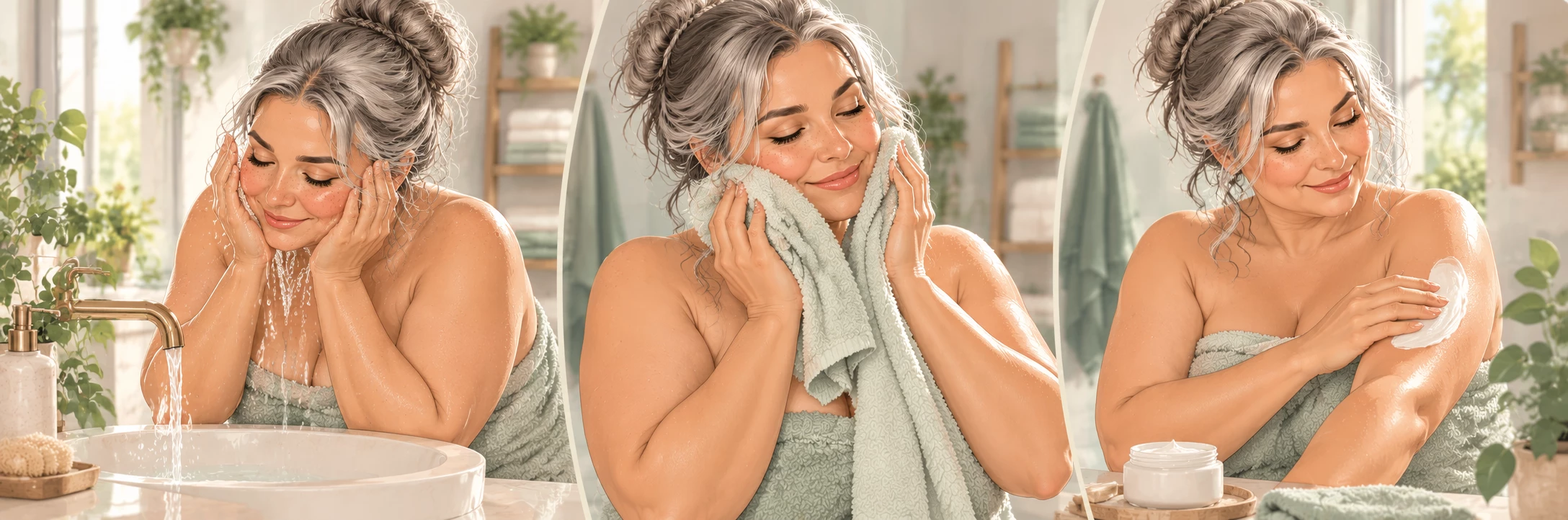
Very hot water, vigorous rubbing, and irritating cleansers can worsen dryness. It is generally preferable to use lukewarm water, minimize friction, and pat the skin dry with a soft towel.
Products described as "natural" are not automatically better tolerated. Fragrances, essential oils, and certain plant extracts can irritate the skin or trigger a reaction in some people. If in doubt, a simple, fragrance-free formula may be a more cautious choice.

An effective routine does not need to be complicated. Reducing irritants can be just as important as choosing an additional skincare product.
Moisturize and Soften Scales
Emollients help reduce dryness and make the skin feel more comfortable. Their usefulness depends on the formulation, the affected area, and individual tolerance. Applying them regularly, particularly after washing, may help reduce feelings of tightness.
Certain ingredients, such as urea or salicylic acid, can help soften scales when used at appropriate concentrations and in suitable circumstances. However, they are not necessarily appropriate for every area or every person: they can cause irritation, particularly on cracked or sensitive skin. For the face, skin folds, or genital areas, it is best to seek advice before using a keratolytic product.
Support the Skin Barrier
The skin barrier helps the skin retain moisture and protect itself from the environment. Psoriasis alters how the skin functions in affected areas, so maintaining skin comfort remains useful, even though this alone does not treat the underlying inflammatory processes of the disease.
Emollients containing occlusive agents or lipids can help reduce water loss. Individual tolerance varies. Introduce new products gradually and stop using them if noticeable irritation develops.

Identify Possible Triggers Without Blaming Yourself
Stress, certain infections, skin injuries, smoking, heavy alcohol consumption, and some medications may be associated with flare-ups in some people. Cold weather, dry air, and friction can also make the skin feel more uncomfortable.
None of these factors explains every flare-up. There is no need to blame yourself for every worsening of symptoms or eliminate numerous foods without a clear reason. A simple journal can help identify patterns by recording the date, affected area, symptom severity, changes in routine, stress levels, recent illnesses, or exposure to potential irritants.

Habits to Watch Out For

Certain habits deserve particular attention:
- Scratching or picking off scales, which can injure the skin;
- Using exfoliating scrubs or abrasive brushes on plaques;
- Using multiple fragranced products or essential oils;
- Taking very hot, prolonged baths or showers;
- Stopping or changing a prescribed treatment without discussing it with the healthcare professional overseeing your care.
The goal is not to control every detail of daily life, but to avoid preventable irritation and identify what seems to genuinely influence your symptoms.
Scalp and Face: Adapt Your Skincare to Each Area
Scalp psoriasis can produce thick scales and may be difficult to distinguish from other conditions. A suitable shampoo and specific treatments may help; picking at plaques or scratching vigorously can further irritate the scalp. Oil treatments applied as hair masks are not appropriate in every situation and do not replace targeted treatment.
Facial skin may be more sensitive to certain ingredients. Avoid applying products designed for thick plaques on the body to your face without professional advice, particularly concentrated keratolytic products. If the diagnosis has not been confirmed, or if the eyelids, ears, or area around the mouth are affected, seek medical advice.

When Should You Seek Help?
A healthcare professional can confirm the diagnosis and recommend options suited to the location and severity of the plaques. Seek advice if symptoms persist despite skincare, spread, become painful, develop cracks, or significantly affect sleep and quality of life. Joint pain or swelling should also be reported.
A gentle routine is a supportive measure, not a test of willpower or a substitute for medical care. Psoriasis may require specific treatments, and asking for help is not a failure.

A Realistic, Sustainable Approach
Choose a few practices you can maintain, observe your skin without trying to control everything, and adapt your skincare to the affected area. If a measure seems to worsen irritation, stop using it and seek advice. The goal is to improve comfort and manage the condition more effectively with appropriate support.
MEDICAL DISCLAIMER: SkinZenitude provides general information for educational purposes. It does not replace the advice, diagnosis, or treatment of a qualified healthcare professional. SkinZenitude does not diagnose, treat, cure, or prevent disease. For health-related decisions, consult a qualified professional.
Disclosure: Some links may be partner links. SkinZenitude may receive a commission from some companies on qualifying purchases, at no extra cost to you and without influence on our editorial content.